Extensive Wildlife Abatement Services for a Pest-free Environment
Extensive animal control services resolve urgent metropolitan issues posed by various animal species. These professionals address issues like rodent problems and raccoon incursions, which can result in major health risks. Implementing ethical approaches, they guarantee safe displacement while stopping future occurrences. Understanding the approaches and values underlying these services is vital. Which factors should someone think about when picking a reliable animal control service? Exploring this can provide important information into maintaining a critter-free environment.
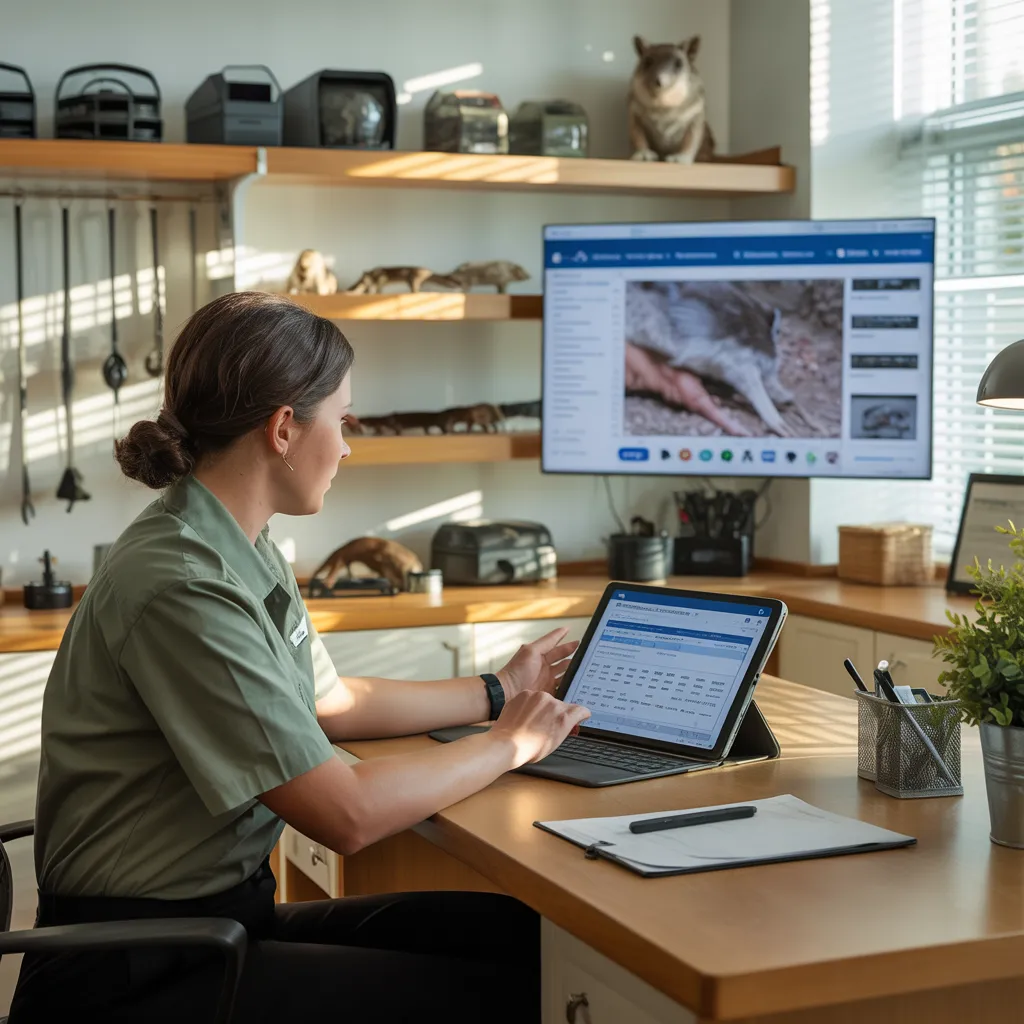
Common Animal Problems in Urban Areas
Cities frequently encounter a myriad of animal problems that can affect daily life and present health risks. Pest rodents, such as rats and mice, often invade homes and businesses, pursuing food and shelter. Their presence can lead to property damage and the spread of illnesses like hantavirus and leptospirosis. In the same way, raccoons and squirrels often exploit urban environments, foraging in trash and denning in attics, which can produce further sanitation issues.
Birds, particularly pigeons, can become a nuisance, causing unsightly droppings that pose health hazards and damage property. Additionally, bigger creatures like deer may enter urban settings, resulting in dangerous encounters on roadways. As wildlife adapts to urban life, the conflicts between humans and animals increase, requiring efficient control methods to mitigate these challenges and guarantee community safety.
Why Animal Management Support Make a Difference
Wildlife removal offerings prove important in reducing safety concerns that emerge from animal infestations. They also help minimize damage caused to property due to wildlife, which can necessitate costly repairs. Additionally, these solutions play a role in maintaining natural equilibrium by making certain that urban environments remain safe and sustainable for both people and wildlife.
Health Dangers Management
When fauna encroach upon human spaces, they can create substantial dangers for health, making wildlife removal critical for guaranteeing safety. Wild fauna often carry pathogens that transfer to people, such as rabies, hantavirus, and leptospirosis. Their waste matter and urine soil surfaces and atmosphere, creating breathing difficulties or disease. Furthermore, disease carriers including ticks and fleas may enter dwellings, presenting additional threats to health. Effective wildlife control handles not just immediate infestations and prevents future incidents, thus protecting public health. Specialists skilled trained in ethical removal assure that fauna get relocated instead of being harmed, promoting balance among animal life and human habitats. In conclusion, these offerings provide an important function in protecting both societal welfare and also nature's balance.
Safeguarding Your Property from Damage
Effective animal control services play an crucial role in protecting properties from extensive damage. When wildlife invades, it can lead to structural harm, such as gnawed electrical wires, damaged insulation, and compromised roofing. Additionally, burrowing animals can undermine foundations, creating significant repair costs. By addressing infestations quickly, these services prevent further deterioration and protect property value. Professional wildlife removal also includes sealing entry points, which reduces the risk of future invasions. This proactive approach not only preserves the physical integrity of buildings but also minimizes potential disruptions to daily life. Investing in thorough wildlife removal mitigates risks, ensuring a secure and damage-free environment for homeowners and businesses alike.
Sustaining Ecological Equilibrium
The maintenance of ecological balance is vital for healthy ecosystems, and wildlife removal services play a significant role in this process. Such services assist in managing wildlife populations possibly becoming invasive or excessively plentiful, ensuring preservation of native species and their habitats. Overpopulation of certain species can result in resource depletion, habitat degradation, and increased human-wildlife conflicts. By professionally managing wildlife, these services support the stability of ecosystems, facilitating coexistence among various species. Moreover, they supply informative content about local wildlife, promoting community awareness and advancing conservation efforts. Ultimately, wildlife removal services are crucial for maintaining biodiversity, protecting habitats, and guaranteeing ecosystems remain balanced and resilient.
Animal Removal: How Professional Specialists Complete the Work
Professionals in animal control begin with a thorough inspection and assessment to identify the type of animal and the extent of the problem. This preliminary assessment is essential for determining the most efficient and compassionate extraction methods. Employing safe methods guarantees that both the animals and the adjacent ecosystem are safeguarded throughout the process.
Examination and Assessment Procedure
In wildlife removal, a detailed inspection and assessment procedure is vital as it allows experts to identify the particular challenges presented by nuisance animals. Specialists begin by examining the property for signs of wildlife activity, such as droppings, tracks, and nesting materials. They assess potential entry points, including gaps in walls, roofs, and foundations that animals could use. Additionally, the evaluation involves checking for destruction caused by wildlife, which can indicate the extent of the infestation. Understanding the actions of the animals is vital for efficient management. This thorough assessment not only helps the removal strategy but also supports in preventing future invasions, assuring a long-term solution for a pest-free environment.

Protected Taking Out Procedures
Utilizing ethical and proven methods, wildlife removal experts employ a variety of non-harmful techniques to address infestations. These specialists prioritize the well-being of both the animals and the environment. Trapping is a frequent method, utilizing customized cages that contain wildlife without harm, allowing for relocation to suitable habitats. Additionally, exclusion techniques are employed to seal entry points, avoiding future invasions. Professionals may also use natural repellents that deter wildlife without harming them. Monitoring and follow-up assessments guarantee the success of these strategies, allowing for adjustments as needed. By focusing on compassionate practices, wildlife removal specialists encourage a balanced coexistence between humans and local wildlife, maintaining a pest-free environment while respecting nature’s role in the ecosystem.
Safety and Ethics in Wildlife Removal
Skilled wildlife removal copyrights on the careful equilibrium between human safety and humane care of creatures. Experts in wildlife management prioritize safety by utilizing methods that minimize risks to both people and wildlife. This encompasses using traps designed to capture without causing harm and guaranteeing every engagement occurs with compassion.
Ethical concerns extend beyond just the methods used; they encompass the understanding of the animals' functions in the ecosystem. Responsible wildlife removal services stand for the humane relocation of animals rather than extermination, recognizing the need to respect wildlife as essential units of the environment.
Additionally, ongoing education and training in humane practices are critical for professionals. This commitment to safety and ethics not only generates confidence within populations but also advances a more synergistic balance with wildlife. Accordingly, principled animal control is not just a service but a essential mandate that preserves the tenets of sensitivity and deference for all life forms.
Thwarting Future Wildlife Invasions
Understanding the significance of ethical animal control inevitably points to the evaluation of preventive measures against future infestations. Successful pest prevention starts by identifying and sealing access holes around homes and buildings. This encompasses examining foundations, basements, attics, and roofs for gaps or cracks that animals can utilize.
In addition, getting rid of food sources is important. Lock garbage bins, compost piles, and pet food to deter animals from pursuing easy meals. Maintaining a neat yard by pruning overgrown vegetation and removing debris reduces potential habitats for wildlife.
Setting up deterrent sounds or motion-activated lights can further discourage unwanted visitors. Regularly monitoring the location for traces of animal behavior allows homeowners to address issues before they amplify. Through following these preventative steps, people can form an atmosphere that minimizes threat of subsequent pest invasions, ensuring a tranquil relationship with nature while upholding a animal-free home.
Key Points for Finding a Quality Pest Control Business?
When seeking a wildlife removal service, what vital considerations should homeowners think about? First, it is crucial to evaluate the company's knowledge and skills in tackling specific wildlife issues. A reputable service should have qualified professionals knowledgeable about local regulations and humane removal practices. Furthermore, homeowners should inquire about the techniques used for extraction and prevention, making sure they prioritize safety and environmental responsibility.
Additionally, checking licensing and insurance can protect homeowners from legal responsibility during the removal process. Customer feedback and recommendations provide insight into the company's standing and success rate. Ultimately, transparency regarding pricing and guarantees is essential; a reputable company will provide clear estimates and ongoing assistance. By focusing on these aspects, homeowners can select discussion a wildlife removal service that meets their requirements, guaranteeing a pest-free environment while adhering to moral principles.
Popular Questions Asked Frequently
What Categories of Wildlife Do Wildlife Management Firms Address?
Removal services for wildlife regularly manage diverse creatures, including raccoons, squirrels, opossums, bats, and birds. They tackle difficulties associated with infestations, delivering humane removal and control of subsequent wildlife contact in residential and commercial properties.
Is Animal Relocation Service Environmentally Conscious?
Animal removal services can be green, using ethical practices to transport wildlife without harm. Many focus on environmentally safe practices, ensuring minimal disruption to local ecosystems while properly handling wildlife-related issues for homeowners and businesses alike.
What is the Typical Duration of the Removal Process?
The process of removal generally takes a few hours up to a couple of days, based on the complexity of the situation and the species involved. Elements like location and required additional measures may also impact the duration.
Can Pest Removal Result in Harm to My Residence?
Wildlife removal can potentially cause some property damage, depending on the method used and the circumstances. However, expert providers work to reduce any harm and often provide repairs as part of the procedure.
What Might I Do if I Encounter Creatures Again?
If wildlife is detected again, individuals should maintain a safe distance, avoid direct interactions, and capture the sighting. Reporting the incident to local wildlife authorities can confirm proper handling and management of the situation.